
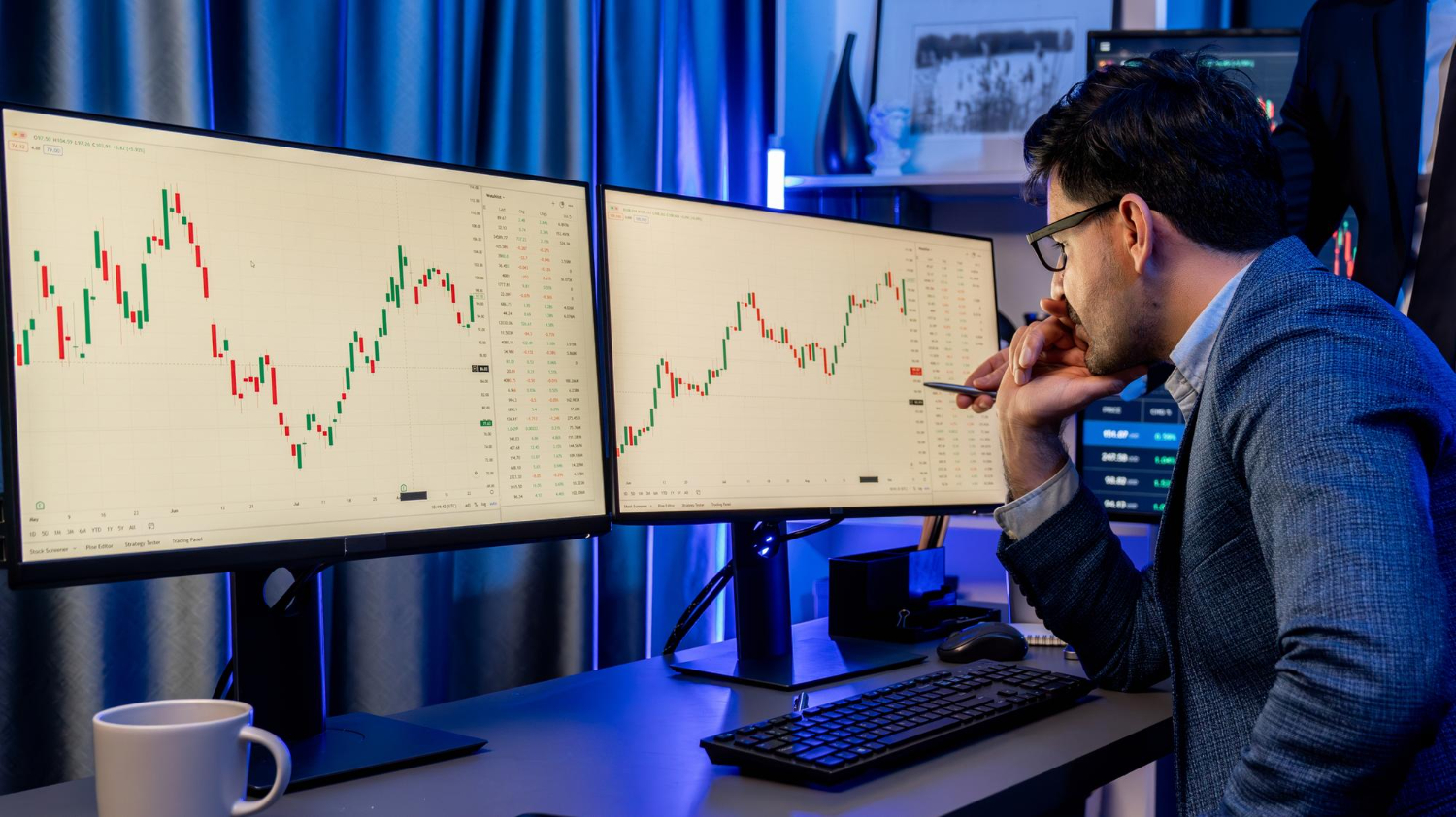
Forex trading presents significant opportunities for investors; however, selecting the appropriate broker is essential for achieving success. This article delves into the complexities of forex trading, emphasizing the importance of partnering with a reliable broker. When choosing a broker, key factors to consider include licensing, trading platforms, and customer support. Furthermore, specific recommendations will be provided for Filipino investors seeking to effectively navigate this dynamic market. Making informed decisions is vital to enhancing your trading journey.
Understanding Forex Trading and Brokers
Forex trading, also known as foreign exchange trading, pertains to the buying and selling of currency pairs within a global decentralized market. It is imperative for traders to collaborate with a reputable Forex broker to effectively navigate the complexities of the Forex market. This is particularly important in regions such as the Philippines, where local regulations significantly influence broker selection. Furthermore, the choice of a trading platform is pivotal in enhancing the overall trading experience, as it affects execution speed, user experience, and access to essential trading tools.
What is Forex Trading and Why Do You Need a Broker?
Forex trading refers to the process of exchanging one currency for another, a practice that is essential for individuals and institutions engaged in international trade or investment. A Forex broker plays a crucial role in this process by providing access to trading platforms that allow users to execute trades and analyze market trends. This makes them critical for both novice and experienced traders who aim to implement effective Forex trading strategies and conduct thorough market analysis.
Brokers serve as vital intermediaries within the Forex ecosystem, connecting traders to the broader market. They offer a range of tools and resources, including educational materials designed to help traders comprehend the intricacies of the market and enhance their skills. Furthermore, brokers provide advanced analytical tools that enable users to monitor price movements and utilize charts and fundamental data to formulate robust trading strategies. Different brokers cater to specific trading approaches, whether it involves day trading, scalping, or long-term investing, thereby ensuring that traders can find a partner that aligns with their methods and objectives in the dynamic Forex landscape.
Important Factors to Consider When Choosing a Forex Broker
Selecting an appropriate Forex broker is crucial for achieving success in trading, particularly given the numerous factors that can affect the overall trading experience.
Key considerations include:
- Verifying that the broker is licensed and regulated by the relevant authorities
- Comprehending the features of the trading platform they provide
- Evaluating trading fees and spreads
- Assessing the quality of customer support
These elements have a direct impact on the Forex trading experience and can significantly influence trading performance and profitability within the competitive Forex market.
Licensing and Regulation
Licensing and regulation are paramount considerations when selecting a Forex broker, as they ensure that the broker operates in accordance with local regulations and offers a secure trading environment. In the Philippines, the oversight of Forex brokers is conducted by the appropriate regulatory authorities, which serves to protect traders from fraudulent activities and guarantees that licensed brokers comply with established industry standards.
These regulatory frameworks function as a safeguard, fostering transparency and ethical practices within the market. When traders opt for unregulated brokers, they expose themselves to considerable risks, including potential fraud and a lack of recourse in the event of disputes. Conversely, engaging with licensed brokers can provide enhanced peace of mind, as these entities are required to meet stringent financial standards and undergo regular audits. This not only bolsters the safety and security of trading activities but also cultivates trust in the broker-client relationship, ultimately contributing to a more stable and reliable trading experience.
Trading Platform and Tools
The trading platform serves as the primary interface between the trader and the Forex market, making its selection critically important. A high-quality trading platform provides user-friendly features, advanced trading tools, and robust security measures, which enable traders to execute trades efficiently. Whether accessed through desktop applications or mobile trading apps, the appropriate platform can significantly enhance the trading experience and improve overall performance.
The platform should facilitate seamless navigation while accommodating diverse trading preferences by offering customizable layouts and a variety of analytical tools. The integration of automated trading options is particularly advantageous for individuals who prefer algorithmic strategies, while those who favor manual trading would benefit from platforms that support multiple charting functionalities.
In today’s fast-paced environment, mobile trading capabilities have become essential, allowing traders to monitor markets and execute trades while on the move. With the right trading platform, users can effectively align their trading strategies with the necessary tools, ultimately enhancing their success in this dynamic market.
Account Types and Fees
Understanding the various account types offered by Forex brokers is crucial for selecting the option that aligns most effectively with one’s trading objectives and financial capacity. These accounts may differ in terms of minimum deposit requirements, trading fees, spreads, and available trading bonuses, all of which can significantly impact profitability and the overall trading experience.
Each account type is specifically designed to accommodate different trading styles and levels of experience. For example, novice traders may find value in demo accounts, which provide the opportunity to practice trading without any financial risk. Conversely, more experienced traders might prefer premium accounts that feature lower spreads and enhanced leverage.
It is important to recognize that these accounts can come with higher fees or necessitate a larger initial investment. Therefore, it is essential to consider how trading fees and spreads can substantially influence trading strategies. A high spread may diminish profits on short-term trades, while lower costs can improve overall profitability for traders engaged in frequent transactions. By thoroughly evaluating these factors, traders can make informed decisions that best cater to their individual requirements.
Customer Support and Reputation
Effective customer support plays a crucial role in shaping a Forex broker’s reputation, as it directly influences the trader’s experience and their ability to resolve issues in a timely manner. Engaging with broker reviews and participating in the Forex trading community can provide valuable insights into a broker’s reliability and the quality of its customer service, enabling prospective traders to make informed decisions.
In an industry where timely assistance can have a significant impact on trading outcomes, the evaluation of customer support options becomes imperative. Traders should take into account factors such as responsiveness, the availability of various support channels, and the expertise of the support staff. A broker’s reputation frequently depends on the effectiveness of its customer service; therefore, exploring online communities and forums can shed light on the collective experiences of traders.
Utilizing customer reviews as a means of assessment allows individuals to gauge a broker’s past performance, helping to identify potential red flags. Ultimately, dependable support not only instills confidence but also enhances the overall trading experience, contributing to greater satisfaction and long-term success.
Tips for Choosing the Right Forex Broker in the Philippines
Selecting an appropriate Forex broker in the Philippines necessitates thorough research and careful consideration of several key factors, particularly in relation to local regulations and market conditions. To make an informed decision, traders should engage in comparisons among various brokers, review broker evaluations, and evaluate how each broker aligns with their specific trading objectives and strategies within the local context.
Research and Compare Different Brokers
Researching and comparing various Forex brokers is a crucial step in ensuring that one selects the most suitable option for their trading requirements. This process entails a thorough analysis of several factors, including trading platforms, trading fees, spreads, and customer reviews, to assess the performance of each broker in relation to competitors in the market.
It is essential to consider the regulatory status of each broker to verify that they operate under reputable oversight. Additionally, evaluating the quality of customer support services available can provide valuable insights into the responsiveness of a broker during critical situations. Examining the educational resources offered by brokers is also vital, as these resources can significantly enhance a trader’s skills. By meticulously gathering and comparing information based on these criteria, traders can make informed decisions that align with their trading strategies and risk tolerance, ultimately facilitating a more successful trading experience.
Ask for Recommendations and Read Reviews
Seeking recommendations from fellow traders and reviewing brokerage evaluations can significantly enhance the broker selection process. Engaging with the Forex trading community enables individuals to gather insights regarding brokers’ reputations and the quality of their customer support, thus providing valuable guidance in their decision-making.
By participating in online forums and social media groups, traders can access a wealth of shared experiences that highlight the strengths and weaknesses of various brokers. It is essential to assess these reviews critically, recognizing that individual experiences may vary widely depending on personal trading strategies and objectives. When examining these reviews, one should look for recurring themes or patterns that emerge across multiple accounts, as these often reflect a broker’s overall reliability and service quality. Ultimately, combining community feedback with personal research ensures that the broker selection process remains comprehensive and well-informed.
Consider Your Trading Goals and Needs
When selecting a Forex broker, it is essential to consider individual trading goals and requirements to ensure that the broker can effectively accommodate specific strategies and preferences. Variations in account types, trading fees, and available tools can significantly influence the trading environment and overall success. For example, a trader focused on long-term investments may prioritize brokers that offer low spreads and reduced fees to facilitate less frequent trading. In contrast, day traders typically benefit from brokers that provide advanced trading platforms, dependable real-time data, and robust order execution capabilities.
Additionally, features such as leverage options, educational resources, and customer support are critical factors in determining the suitability of a broker. By aligning the characteristics of the broker with personal objectives, traders can enhance their chances of achieving their desired outcomes while effectively navigating the complexities of the Forex market.